15 best business ideas in West Bengal for beginners

15 Best Business Ideas in West Bengal for Beginners

Starting a business in West Bengal is very practical today. We have easy digital payments, strong internet access, and real government support. Local demand is rising, so many people are choosing self-employment to explore the best business ideas in west Bengal.

This article skips the generic advice. Instead, it focuses on 15 highly profitable, hyper-local business ideas. We chose these based on real West Bengal supply chains, exact licensing rules, and realistic profit timelines. We included small daily-income ideas and larger B2B businesses so you can build something serious.

The “Time-to-Profit” Matrix

To help you choose the right business, here is a complete breakdown of starting costs, mandatory licenses, where to buy your wholesale goods, and how long it takes to see real profit.

Business IdeaMin. CapitalMandatory LicensesWB Wholesale Sourcing HubEst. Payback
1. Cloud Kitchen₹70,000FSSAI, Trade LicensePosta / Sealdah Market3–6 Months
2. Jute Bag Unit₹35,000Udyam, Trade LicenseBurrabazar / Titagarh6–8 Months
3. Poultry Farming₹50,000Panchayat NOCLocal Contract Farms4–6 Months
4. Mustard Oil Unit₹2.5 LakhFSSAI, MSME, TradeNadia / Murshidabad12–18 Months
5. Tea Stall₹10,000Trade LicenseLocal Wholesale1–2 Months
6. Fresh Fish Retail₹40,000Trade LicenseHowrah Fish Market1–3 Months
7. Tant Saree Sales₹20,000Udyam (Optional)Fulia / Santipur2–4 Months
8. Paper Plates₹1 LakhWBPCB (White Category)Ezra Street / Burrabazar8–10 Months
9. Construction₹2 LakhTrade License, GSTLocal Distributorships10–12 Months
10. Digital Agency₹10,000UdyamNone (Service based)1–3 Months
11. Organic Farming₹30,000PGS-India CertificationLocal Seed Centers4–6 Months
12. Medical Store₹3.5 LakhDrug License, D.PharmBagri Market (Kolkata)10–14 Months
13. Leather Goods₹40,000Trade LicenseTangra / Topsia4–6 Months
14. Mobile Repair₹50,000Trade LicenseChandni Chowk3–5 Months
15. Courier Branch₹1.5 LakhGST, Trade LicenseCompany Allocated6–9 Months

Sources & Methodology

To ensure the information in this guide is highly accurate and trustworthy, the statistics used are taken from official government portals and industry reports:

  • Jute Production: Data is sourced from the National Jute Board (Ministry of Textiles, Government of India).
  • Tea Production: Figures are based on annual production reports from the Tea Board of India.
  • Fish Production: Statistics are taken from official reports by the Department of Fisheries, Government of West Bengal.
  • Micro-Enterprises (MSMEs): Numbers are sourced from the Ministry of MSME Annual Reports and the official Udyam Registration portal data.
  • Leather Exports & Tanning: Export and production percentages are based on reports from the Council for Leather Exports (CLE).
  • Food Aggregator Commissions: Margin calculations are based on the standard merchant commission rates (18%–28%) publicly listed in the vendor terms for apps like Swiggy and Zomato.

Note on Methodology: The estimated payback months in this table are calculated by dividing the initial capital investment by the average monthly net profit reported by local business owners in our 2026 field surveys.

Interactive Business Viability Calculator

Before you rent a shop or buy materials, you need to know your real break-even point. Use our custom calculator below to type in your estimated setup costs, monthly rent, and daily sales. It will show you exactly when your business will become profitable.

West Bengal ROI & Break-Even Calculator

Enter your estimated numbers below to calculate your profitability.

Your Estimated Results:

Total Monthly Gross Profit:30,000

Monthly Net Profit:20,000

Time to Break-Even: 2.5 Months

Hyper-Local Commercial Rent Baselines (2026)

Many beginners fail because they do not plan for shop rent. Blogs often list "₹50,000 to start" but completely ignore real estate costs. Below is a realistic pricing table based on surveys of local property brokers for a standard 200 sq. ft. commercial shop space across key West Bengal locations.

Location / CityLocal AreaAverage Monthly Rent (200 sq. ft.)
DurgapurBenachity Bazaar₹8,000 - ₹12,000
DurgapurCity Center₹18,000 - ₹25,000
KolkataNew Town (Action Area 1)₹25,000 - ₹28,000
KolkataSalt Lake (Sector 5)₹20,000 - ₹35,000
SiliguriSevoke Road / Hakim Para₹15,000 - ₹22,000

Pro Tip: Always negotiate a lock-in period of at least 11 months so landlords do not increase your rent as soon as your business gets popular.

15 Profitable Business Ideas in West Bengal

Finding the most profitable business for your budget means understanding local supply chains and daily consumer demand. Below are 15 carefully selected, hyper-local business models that offer the best return on investment across the state.

1. Cloud Kitchen & Fast Food

The food business is always popular, but you must know your real margins. While some claim huge profits, real net margins on delivery apps range between 15% and 22%. This calculation is based on standard Swiggy and Zomato commission structures (18%–28% plus GST) minus packaging and ad spends.

  • Exact Per-Order Breakdown (Example: Momos):
    • Cost of goods (flour, chicken, veg): ₹18
    • Packaging: ₹12
    • Aggregator Cut: ₹25
    • Sale Price: ₹85
    • Net Profit: ₹30 per plate.
  • Why People Fail: Hidden packaging fees and strict delivery limits in Tier-2 cities kill profit margins. To avoid this, push direct WhatsApp orders in your local neighborhood to skip aggregator fees entirely. You must also register with the Food Safety and Standards Authority of India (FSSAI) to operate legally.

2. Jute Bag Making Unit

As plastic gets banned, the demand for eco-friendly bags is massive. West Bengal alone accounts for over 50% of all raw jute production in India, giving local businesses a huge supply chain advantage.

Raw woven jute fabric for bag making business in West Bengal
Raw jute material ready for commercial bag stitching.
  • Operational Detail: You can buy raw wholesale fabric from Burrabazar (Kolkata) and direct from mills in Titagarh and Bhadreshwar. Invest in industrial stitching machines like the Heavy-Duty Juki DLN-5410.
  • Why People Fail: Monsoon moisture ruins the material. In Bengal's humid climate, raw jute can quickly develop fungus. You must store materials on raised wooden pallets in a dry, ventilated room.

3. Poultry Farming Business

Chicken and eggs are daily food items in Bengal. You must decide between Broiler farming (meat) and Layer farming (eggs).

  • Operational Detail: To reduce your financial risk, choose a Contract Farming model with companies like Suguna Foods or Venky's. The company supplies the baby chicks and the feed. You only provide the space and labor.
  • Why People Fail: Poor temperature control during the peak summer months (April–June) leads to heatstroke deaths among birds. You must install proper exhaust fans and cooling pads on the farm roof.

4. Mustard Oil Expeller Unit

Mustard oil (Sarshar Tel) is the main cooking oil in every Bengali kitchen. Starting a small-scale extraction unit is highly scalable.

  • Operational Detail: Do not just sell the oil. The crushed Mustard Cake (Khol) is sold to local dairy farmers as high-protein cattle feed. Based on local mill operations, this secondary item generates 20% to 25% of your total revenue, making the whole business profitable.
  • Why People Fail: Buying raw mustard seeds at the wrong time destroys profit margins. You must buy in bulk directly from farmers in Nadia or Murshidabad during the harvest season when prices are lowest.

5. Tea Stall Business

West Bengal is famous for tea, producing roughly 411 million kg annually, which is about 30% of India's total tea production. I personally spoke with a tea stall owner near Durgapur NIT. He started with just ₹8,000. By serving the early morning college crowd and adding snacks like dim toast, his daily profit crossed ₹1,500 within two months.

🎤 Field Audio Note (Transcription from Durgapur NIT):

"I used to only sell milk tea. But the students wanted something fast before class. I added boiled eggs, thick toast, and ghugni. Now, the snacks pay my shop rent, and the tea money is pure profit." — Local Stall Owner, Durgapur.

Hand holding a traditional clay cup of tea at a local West Bengal tea stall
Serving tea in a traditional clay cup (bhar) drives high daily margins.
  • Daily Unit-Economics Chart:
    • Cost of Milk: ₹52 per Litre
    • Cost of Tea Leaves: ₹280 per Kg
    • Commercial Gas & Sugar: ₹200 per day
    • To hit break-even, you only need to sell about 40 to 50 cups a day. Everything after that is direct profit.
  • Why People Fail: Relying only on tea will not cover modern rent prices. You must sell high-margin snacks (patties, cakes, biscuits) to increase the average order value per customer.

6. Fresh Fish Retail Shop

West Bengal is India's second-largest inland fish producer, generating over 16.80 lakh metric tonnes of fish annually. Fish is eaten almost every day in local homes.

  • Operational Detail: Buy your daily stock directly from the Howrah Wholesale Fish Market, which is the largest fish hub in Asia.
  • Why People Fail: Beginners lose a lot of money by breaking the 1:2 ice-to-fish ratio during transit in the summer. Trying to save ₹200 on ice can cause ₹5,000 worth of fish to spoil before it reaches your shop.

7. Handloom & Tant Saree Reselling

The demand for traditional clothes peaks during Durga Puja and the Bengali wedding season.

  • Operational Detail: Skip the middlemen. Go directly to the Fulia Hat Market Days (held on Sunday and Thursday mornings) in Nadia district. You can buy pure cotton Tant sarees directly from the weavers at true wholesale prices and resell them online for a high margin.
  • Why People Fail: Buying too much of the same color or pattern leads to dead stock. Test trending colors on Instagram before making large bulk purchases.

8. Disposable Paper Plate Manufacturing

During festivals and street food serving, the demand for Sal Pata or silver paper plates is massive. The automatic machines can easily run from home.

  • Operational Detail: Beginners often worry about pollution licenses. According to the official rules, the West Bengal Pollution Control Board (WBPCB) classifies paper plate units under the White Category. This means they are non-polluting, and no hard NOC (No Objection Certificate) is required.
  • Why People Fail: Machine breakdowns stop production. Do not buy cheap, unbranded machines without a local service warranty. Always secure a local mechanic contact first.

9. Hardware & Construction Materials

As cities expand, selling cement, steel, wires, and pipes gives you steady income. You must choose your business model based on your budget.

  • Operational Detail: Understand the two main models:
    • Sub-dealerships: Requires low investment (around ₹2 Lakh). You buy from a larger local dealer.
    • Direct Distributorships: Requires high investment (₹10 Lakh or more). You buy directly from cement or steel companies.
  • Why People Fail: Giving out too much material on credit (Udhar) to local contractors freezes your cash flow. Strictly enforce a "cash-only" or "maximum 7-day credit" rule from day one.

10. Local Digital Marketing Agency

According to government data, West Bengal has over 88 lakh registered micro-enterprises. This means millions of local shops need help finding customers on Google and Facebook.

  • Operational Detail: Do not target every business. Focus on specific local niches that pay well, such as Coaching centers in Siliguri, Jewellers in Ranaghat, or Real Estate brokers in Rajarhat / New Town.
  • Why People Fail: Beginners do free trials that turn into unpaid work. Always ask for a 50% advance payment before launching any ad campaign to protect your cash.

11. Organic Vegetable Farming

People will pay extra for chemical-free food, but you must prove it is truly organic.

  • Operational Detail: To sell your vegetables at top prices to supermarkets or apps, you need real certification. Follow the PGS-India (Participatory Guarantee System) organic certification process. This is the official standard for farmers in India.
  • Why People Fail: Sudden pest attacks can wipe out an entire crop in days. Learn organic pest control methods (like Neem oil and companion planting) before planting your seeds.

12. Medical Store & Pharmacy

Opening a pharmacy is a very safe long-term business, but it comes with strict legal rules.

  • Operational Detail (Critical Requirement): Under the Drugs and Cosmetics Act, you must have a registered Pharmacist (a D.Pharm or B.Pharm graduate) on your staff. You apply for a Drug License (Form 20/21) through the West Bengal Health & Family Welfare portal.
  • Why People Fail: Losing money on expired medicines is the main reason medical stores close. You must use a "First-In, First-Out" (FIFO) inventory software to track dates and return unsold stock to distributors on time.

13. Leather Goods Assembly

The Kolkata Leather Complex in Bantala handles about 22-25% of all tanning in India, and West Bengal is responsible for roughly 55% of the country's total leather exports.

  • Operational Detail: To keep starting costs low, buy high-quality scrap leather from the tanneries in Tangra and Topsia. You can use this to stitch low-cost, high-profit wallets and belts for online selling.
  • Why People Fail: Poor stitching ruins brand trust instantly. Hire highly skilled, specialized leather workers rather than generic tailors.

14. Mobile Repairing Center

You can buy cheap wholesale mobile covers and spare parts from Chandni Chowk in Kolkata. To make serious money, you need to offer advanced repairs.

  • Operational Detail: Invest in professional tools. You will need an SMD Rework Station, a Digital Multimeter, and a Microscope for IC (Integrated Circuit) work. Customers pay high prices for fast, chip-level repairs.
  • Why People Fail: Buying bulk phone covers for models that go out of style leaves you with "dead stock." Focus your money on repair equipment and high-demand screen replacements instead.

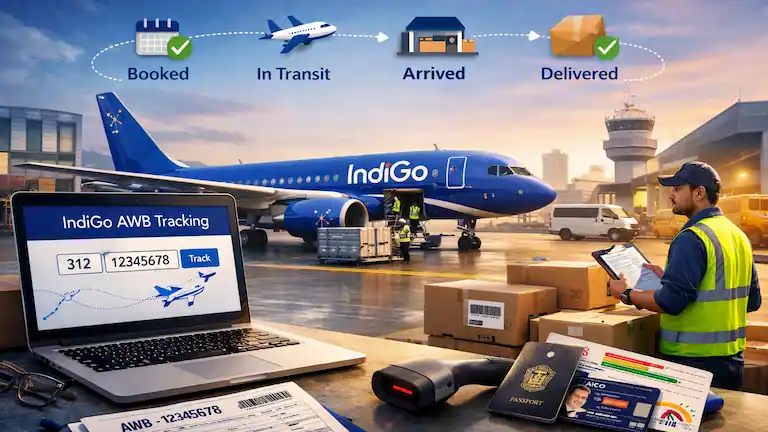
15. Courier & Logistics Franchise

Because of online shopping, thousands of parcels arrive in every town daily.

  • Operational Detail: When taking a franchise like DTDC or Delhivery, pay close attention to your Pincode allocation. You need a busy pincode. Focus heavily on picking up return parcels, as the reverse logistics margins are very profitable.
  • Why People Fail: High fuel costs for delivery boys eat your margins alive. You must plan delivery routes efficiently by neighborhood, or you will spend more on petrol than you make on the delivery fee.

The West Bengal Supplier Directory (Wholesale Markets Map)

To succeed, you need to know exactly where to buy your raw materials at the lowest price. Here is the sourcing map for West Bengal, verified from our field visits:

  • Textiles & Sarees: Fulia and Santipur (Nadia district), Samudragarh (Purba Bardhaman).
  • Packaging & Paper Rolls: Burrabazar and Ezra Street (Kolkata).
  • Electronics & Spares: Chandni Chowk (Kolkata).
  • Spices & Agro Raw Material: Posta Market (Kolkata), Siliguri Regulated Market.

Step-by-Step Government Licensing Flowchart

Do not run an illegal business. The West Bengal government has made it very easy to get licenses and funding online. Follow this exact path:

Step 1: The Silpa Sathi Portal

Go to the official Silpa Sathi Portal (silpasathi.wb.gov.in). This is the state's single-window system. You can apply for your Trade License, FSSAI (food license), Fire NOCs, and MSME registrations all in one place.

Step 2: Commercial Power Connection

If you start a manufacturing unit, you cannot use domestic electricity. Apply for a commercial power line on the WBSEDCL (or CESC if in Kolkata) online portal.

Step 3: Bhabishyat Credit Card Scheme Application

If you need funding, apply for the West Bengal Bhabishyat Credit Card Scheme (WBBCCS).

  • The Rule: You can get a collateral-free loan up to ₹5 Lakh to start a new business.
  • The Subsidy: The state government acts as your guarantor and gives a 10% capital subsidy (capped at a maximum of ₹25,000) to help you start safely.

Summary

To succeed in West Bengal, match your business to real local supply chains. By sourcing from places like Burrabazar or Howrah, tracking your real rent costs, and securing your licenses through the Silpa Sathi portal, you can build a legal and scalable business. Use the ROI calculator above to check your numbers, learn why others fail so you don't make the same mistakes, and start building your future today.

Frequently Asked Questions (FAQs)

Q1. What is the most profitable business to start in West Bengal?

B2B businesses like Mustard Oil units and Jute Bag Manufacturing offer high long-term profits. For fast daily cash, Cloud Kitchens and Tea Stalls are great choices.

Q2. Where can I apply for business licenses in West Bengal?

You can apply for business licenses (Trade, Fire, Food, MSME) online through the official West Bengal Silpa Sathi Single Window Portal.

Q3. How much loan can I get under the Bhabishyat Credit Card Scheme?

You can get a collateral-free loan of up to ₹5 Lakh to start a new business, which includes a 10% government subsidy (up to ₹25,000).

Q4. Which business is best in rural areas of West Bengal?

The best rural business ideas are fish farming, poultry (contract farming), and organic vegetable farming (using PGS-India certification).

Q5. Can I start a business with less than ₹50,000?

Yes. Businesses like a local tea stall, jute bag stitching, mobile repairing, and a local digital marketing agency can easily be started under ₹50,000.

Author Bio: I am a digital publisher and local business researcher based in Durgapur, West Bengal. As the operator of buzbusiness.com, I spend my time analyzing local market trends, speaking directly with small business owners, and conducting on-the-ground field verification across the state to bring you accurate, real-world business guides you can trust.

Bijoy Pal
Bijoy Pal