Physical Address
Bankura, West Bengal 722142
Physical Address
Bankura, West Bengal 722142

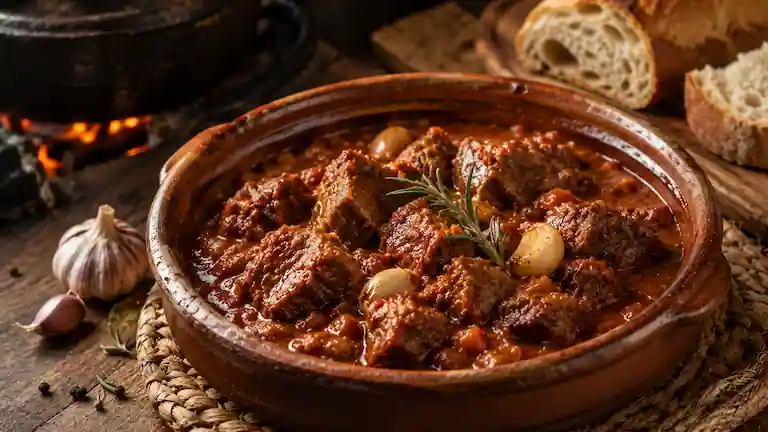
Authentic Caldereta de Cordero relies on three non-negotiable rules: wood-fire style heat control, a rich tomato base, and a thick majado paste made with liver and bread. It is a classic shepherd’s dish from a time when people lived out in the green fields and cooked their daily meals over open wood fires. If you look for this dish in famous city squares, you will find many results. But there is a big problem: how do you know what is actually real and what is just a trap for tourists?
Most of the stews sold in busy city squares are just fast, watery copies. A real Caldereta is completely different. It is thick, rich, and only tastes right if you give it the proper time it needs to cook. Finding the perfect bowl of this stew requires getting off the main highways and going into small, family-owned taverns. When researching true Spanish food culture, I learned how to hunt down the perfect bowl. In this easy guide, I will show you how to avoid the bad restaurants, find the real dish, and see why this is the absolute king of Spanish comfort food.
This stew is famous because of its deep connection to Spanish history. For hundreds of years, it gave shepherds the energy they needed as they walked their sheep across the country. Because they lived outside for many months, they needed a heavy, warm meal. They needed something they could just leave cooking in a pot over a campfire while they worked.
The real secret to the great flavor is an old cooking trick called majado. It is a smart kitchen move where you mash up fried bread, garlic, and a little piece of liver into a rough paste. It proves that country cooks never let any food go to waste. When you stir this paste into the pot, it turns simple, cheap meat into a thick, rich gravy that tastes like a huge feast.
But this stew is about much more than just the ingredients in the pot. It is all about the beautiful Spanish idea of community and eating meals together. Caldereta often appeared during local festivals, shepherd gatherings, and community celebrations in several rural regions. When you eat it today, you are keeping a very old tradition alive. It is a legend because you cannot rush it. You need time, a good fire, and good friends around the table to do it exactly right.
Caldereta de Cordero is a classic shepherd’s stew. It is more than just a quick meal; it is a big piece of Spanish life. The name comes from the word caldera, which is the large iron pot they used to cook it outside in the fields. Understanding the history of specialized kitchen tools like the Calamariere helps explain why traditional cookware is so important to achieving the perfect texture.
Many modern stews today use cheap flour to make the sauce thick. A real Caldereta never uses flour. It gets thick just by cooking the wine and tomatoes very slowly, along with the special majado trick. This is a simple paste made by crushing garlic, fried bread, and a little liver. If the juice in your bowl looks thin and watery, someone took a fast shortcut. That means it is not the real deal.
Understanding why the liver and bread trick works is key to making this dish. The liver releases proteins and natural fats that enrich the sauce, while the fried bread contributes starch. Together, these elements create a naturally thickened texture that binds the lamb fat and the wine broth into a smooth, rich gravy. This happens perfectly without needing any flour or fake thickeners.
Finding the very best stew usually means you have to walk away from the busy, loud tourist areas. Here is exactly how you can find the real deal:
How can you tell if the stew on your plate is the real deal? Just look closely for these three things:
If you cannot find some of the traditional Spanish ingredients at your local store, do not worry. You can still make a perfect stew using these easy swaps:
Here is the classic shepherd’s stew recipe. It tastes just like country Spain.
Prep time: 30 minutes | Cook time: 2 hours | Total time: 2 hours 30 minutes | Yields: 6 servings
Ingredients
Heat the extra virgin olive oil in your heavy-bottomed pot. Fry the slice of stale bread, 4 peeled garlic cloves, and 50g of lamb liver until they are golden brown. Remove them from the oil and set them aside.(Add your original photo here: Show the bread, garlic, and liver frying in the oil)
In the exact same flavored oil left in the pot, sear the 1.5 kg of diced lamb shoulder or neck on high heat. Cook until a deeply browned crust forms on the outside. Remove the meat and set it aside.(Add your original photo here: Show the browned lamb pieces)
Lower the heat under the pot. Add the grated tomatoes and the sweet smoked Pimentón de la Vera to the pot. Cook gently until the tomato water evaporates completely and the oil begins to separate from the red paste.(Add your original photo here: Show the deep red tomato and paprika mixture in the pot)
Return the browned lamb pieces back into the pot. Pour in the dry white wine and let it bubble for 3 minutes to burn off the alcohol. Next, add the lamb broth or water just until it covers the meat. Cover the pot with a lid and let it cook. Keep it at a gentle, steady, low simmer to prevent the lamb proteins from seizing up and becoming tough. Cook at this very gentle heat for 90 to 120 minutes until the meat is completely soft and tender.
While the meat is simmering, take your fried bread, garlic, and liver. Grind them together in the mortar and pestle with a small splash of white wine to make a smooth paste. Stir this paste directly into the stew during the final 15 minutes of cooking to mix the fats and naturally thicken the sauce. Serve it very hot with a big piece of crusty bread.(Add your original photo here: Show the final mashed paste in the mortar and pestle)
(Note: These numbers are estimates. Lamb meat can be fatty, so the exact calories will change depending on the cut of meat you use.)
Real Spanish food does not use magic tricks. It is all about good, fresh ingredients and taking your time. Getting the real version of this dish gives you a much better meal and helps keep old farming traditions alive. Places like Extremadura have strict rules to protect their lamb. When a kitchen uses real local lamb, the meat comes from sheep that lived free in large, open grass fields. Trust me, this makes a huge difference in how the final stew tastes.
To show how deep this food tradition goes, it helps to see how the dish changes across different regional borders in Spain.
| Region | Key Meat Cut | Sauce Base Features | Distinctive Additions |
| Extremadura | Lamb Neck & Shoulder | Thickened purely with liver-bread majado | Strict use of D.O.P. Pimentón de la Vera |
| La Mancha | Lamb Leg or Ribs | Often thinned slightly more with local white wine | Frequently includes bell peppers and chascadas potatoes |
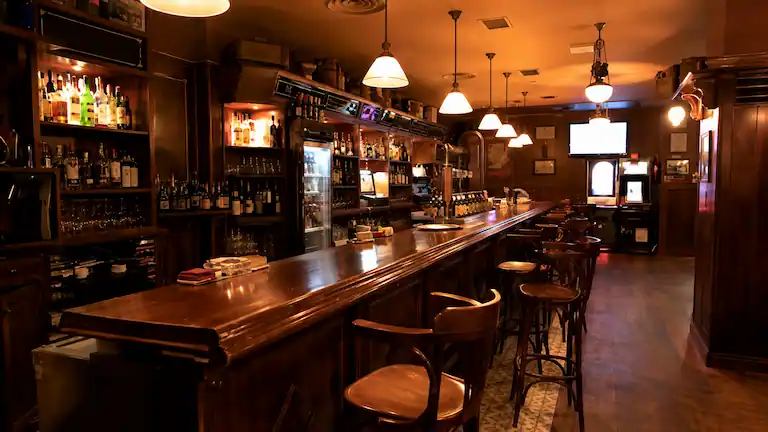
We have all made the exact same mistake while traveling. You walk into a pretty town square, pick a meal from a bright picture on a sign, and feel very let down when you eat it. Here is how you can skip the bad spots and find the real food:
If you find a great place making real Caldereta, you need the perfect drink to go with it. Do not order a heavy, expensive, old wine.
Order a young red wine (Vino Joven). If you are in the Extremadura area, look for a young red wine from the Ribera del Guadiana region. For the best pairing, look for a young Ribera del Guadiana Tempranillo. This type of wine is highly affordable, easy to find in standard wine shops around the area, and has a bright, fruity taste that balances the heavy, rich lamb perfectly. And do not forget the bread! You will absolutely need a thick, crusty piece of bread to soak up every single drop of that wonderful garlic and spice sauce.
When I first tried to find this dish in a small, quiet village, I learned that you often have to call the restaurant first. Many of the best family-run taverns (mesones) only cook this huge meal when they know for sure that guests are coming.
Finding these hidden places is about a lot more than just getting a good meal. It helps keep small, family-owned kitchens open for business. With cheap fast food everywhere today, this old shepherd’s stew is rare to find. When you finally sit down with a perfect bowl of Caldereta, think about the hard work and deep history right there in your bowl. You can explore more of our investigations into global traditions and food culture at our main digital publishing hub.
| Feature | What to Look For |
| Meat | Super soft meat that falls off the bone |
| Thickener | Mashed bread, garlic, and liver paste |
| Spice | Real smoked paprika (Pimentón de la Vera) |
| Setting | A local, quiet, family-run tavern |
| Season | Fall or Winter time |
Finding the right Caldereta de Cordero takes some extra effort. Do not rush. Enjoy looking for it just as much as eating it.
In the end, looking for the very best Caldereta is about more than just eating food. It is about feeling real Spanish country life. Whether you are in a small village tavern or cooking quietly at home, the real secret is having patience. Find the real version, and you will taste exactly what Spanish shepherds ate hundreds of years ago. Take your time, enjoy the warm food, and do not forget the crusty bread!
Lamb can be a very fatty meat. If you see too much oil floating on top of your stew at the end, simply use a large spoon to carefully skim the clear fat off the top before you serve it.
Yes! To save time, you can do all the frying steps (1, 2, and 3) using the “Sauté” setting on your Instant Pot. Then, add the liquids and cook the meat on “High Pressure” for about 35 to 40 minutes. Let the pressure release naturally, then stir in your majado paste at the very end.
No, it is not spicy like a hot chili pepper. It uses smoked paprika. This gives it a deep smoky flavor, not a hot burning one. A few places might add a tiny bit of spice, but it is mostly a mild, very warm stew.
Usually, no. Most real recipes use fried bread to make the thick sauce. If you cannot have gluten, always ask the cook if they used bread in the pot. If cooking at home, use almonds instead of bread in the paste.
The best way is serving it in a hot clay bowl with a big side of crusty bread. The bread is perfect for soaking up the thick, rich sauce. Some places serve it with hot fried potatoes, too.
The name comes from the word caldero. This is the large, heavy iron pot that shepherds used to cook their daily meals over open campfires long ago.
Yes, you easily can! Eating it in a real Spanish tavern is very fun, but it is also easy to cook at home. The secret is to brown the meat first, then let it cook on low heat very slowly until it is super soft.
About the Author: Bijoy Pal is a dedicated digital publisher and travel writer who specializes in uncovering the honest, ground-level truth behind local traditions. Known for thoroughly fact-checking guides and cutting through typical tourist fluff, Bijoy focuses on separating authentic regional experiences—from hidden offbeat destinations to traditional, history-rich recipes—from everyday tourist traps.

