Physical Address
Bankura, West Bengal 722142
Physical Address
Bankura, West Bengal 722142

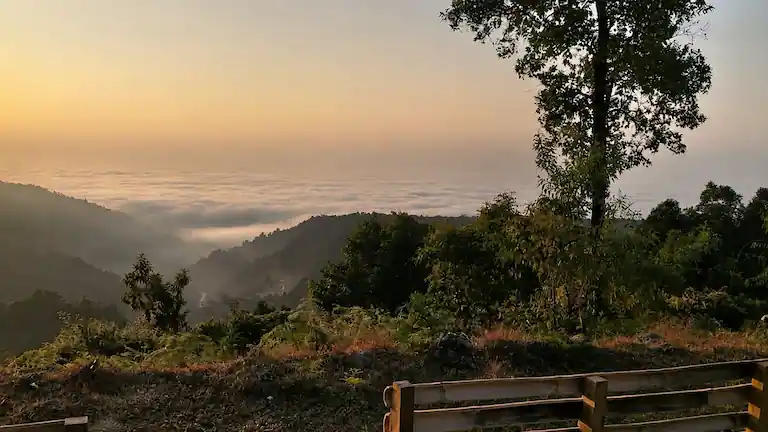
Most travelers visiting North Bengal fall into the trap of driving straight to Mirik’s crowded Sumendu Lake, completely missing the real magic of the mountains. Just 20 minutes down the road lie incredible offbeat places near Mirik—peaceful rivers, silent tea gardens, and authentic farming villages far removed from the noisy tourist crowds.
In May 2026, I spent two weeks navigating these rugged valleys in a 4×4 vehicle to create this fully tested, ground-level guide. I personally experienced muddy road delays, tested the cellular networks, paid the local cab fares, and shared home-cooked meals with the Gorkha and Lepcha families, bringing you unique logistics that standard travel blogs completely ignore.
Before we dive into the village details of these offbeat places near Mirik, use this interactive tool to visualize your trip. It helps you balance driving times and pick destinations based on the exact vibe you are looking for.
Most blogs just tell you to “visit in the summer.” To truly experience these farming villages, you need to align your trip with the local agricultural cycles.
From mid-November to December, Bunkulung celebrates its orange harvest. The valley turns bright orange, making this the best time for stunning photography and tasting fresh citrus fruit.
From March to April, Tabakoshi and Soureni experience the first flush tea harvest. The tea plucking season begins, the weather is crisp, and you can smell the fresh leaves processing in the air.
In late October, Jimbagaon offers completely clear skies. Much like the famous Lungthung viewpoint on the Silk Route, the monsoon clouds clear away to give you perfect, unobstructed views of the Kanchenjunga mountain range.
From July to August, there is a serious monsoon warning. You should avoid Rai Dhap entirely due to leech infestations and dangerous mudslides. Tabakoshi is beautiful during this time, but you should expect heavy delays caused by the rain.
In a rush? Use this table to instantly find the village that matches your travel style:
| Destination | Drive Time from Mirik | Ideal For | Atmosphere & Landscape |
| Tabakoshi | 35 mins (8 km) | Families, Gentle walks | Warm, riverside tea gardens |
| Bunkulung | 45 mins (15 km) | Nature enthusiasts | River streams, organic farming |
| Jimbagaon | 60 mins (14 km) | Adventure, Total quiet | High altitude, pine forests, windy |
| Rai Dhap | 35 mins (8 km) | Bird watchers | Dark forests, deep silence |
| Soureni | 40 mins (15 km) | Comfort and luxury | Paved roads, manicured estates |
| Tingling | 15 mins (5 km) | Quick overnight stays | Dramatic cliffside valley views |
Perfect for: Relaxing vacations, pleasant weather, and smooth driving to the most accessible offbeat places near Mirik.
Located right beside the famous Gopaldhara Tea Estate, Tabakoshi sits deep in a sunny valley. The icy Rangbhang River cuts right through the vibrant green tea bushes.
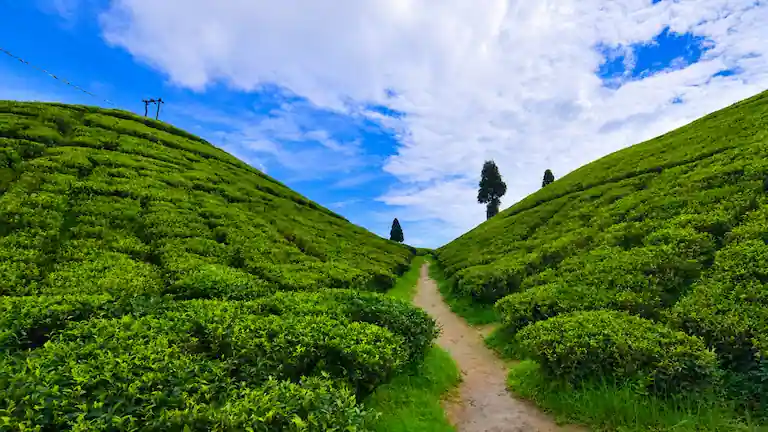
If you want to see more than just tea, Bunkulung is famous for its golden paddy fields and citrus farms. Two beautiful rivers—the Murmah and the Balason—run directly through this farming hub.
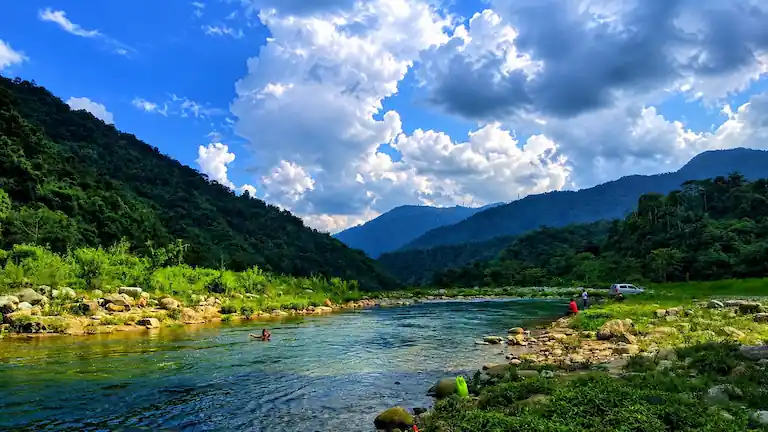
Beltar is a wide, flat valley that always carries the sweet scent of fresh tea leaves. Thanks to the warm sunshine, it is the ultimate destination for a lazy afternoon family picnic.
Perfect for: Brave drivers, hardcore nature lovers, and a true digital detox.
Perched high on a hilltop, this tiny settlement offers absolute silence surrounded by towering pine trees and views of snowy mountains.
Hidden beneath a thick canopy of ancient trees, Rai Dhap receives very little direct sunlight. It is cool, slightly damp, and an absolute paradise for spotting rare Himalayan bird species.
This unique village sits right on the international border separating India and Nepal, shrouded in heavy mist almost every day of the year.
Bordering dense pine forests, Dilaram is the perfect base camp if you plan to hike down to the mystical Bhanzang Salamander Lake.
Pro Tip: If you enjoy quiet, crowd-free villages like Jimbagaon and Rai Dhap, you can easily combine your North Bengal trip with exploring hidden offbeat destinations in Sikkim for a complete Himalayan nature retreat.
Perfect for: Travelers seeking comfort, clean paths, and older tourists.
If you dislike muddy shoes, Soureni is for you. It boasts perfectly paved roads and beautifully maintained tea gardens, making it ideal for relaxing morning strolls.
Most standard itineraries ignore Murmah entirely. It sees almost zero commercial tourism, offering unmatched peace and quiet.
While crowds stop at the highway viewpoint above for a quick photo, very few realize there is a village tucked right underneath it.
Skip the packaged noodles! To truly experience the culture, request these traditional meals at your homestay:
What does a couple actually spend exploring these hidden spots? Here is a realistic budget:
Cellular phone networks stop working completely in places like Rai Dhap and Jimbagaon. Make sure to save this helpful checklist offline before you leave Siliguri.
First, download offline Google Maps. Download the full map grid for Darjeeling and Mirik on Google Maps while you still have a working Wi-Fi connection.
Second, carry enough physical cash. There are no ATMs in these hidden valleys, and online UPI payments will fail, so bring plenty of ₹100 and ₹500 cash notes.
Third, print paper copies of your identity cards. Hard copies of your Aadhaar Card or Voter ID Card are strictly required at the military checkpoints near Gopal Fatak.
Fourth, pack a strong flashlight. Power cuts happen often during mountain storms, and a weak phone flashlight is not bright enough.
Fifth, bring basic medicine. Pack Ondansetron pills to help with motion sickness and nausea on the winding mountain roads.
Finding reliable transport is the hardest part of traveling to offbeat places. Do not hire random cars from the plains because those drivers do not know the rough dirt roads. You can contact these verified local drivers directly.
Pemba Tamang drives a 4×4 Mahindra Bolero. He is a specialist for steep climbs to high-altitude villages like Jimbagaon and Rai Dhap, and he knows the muddy routes perfectly. He is highly recommended if you are staying at high altitudes.
Suresh Gurung drives a Maruti WagonR. He is a great choice for smooth, paved drops to Soureni and Tabakoshi, and he is always very punctual.
Please note that you should ask your homestay host to coordinate with them one day before you arrive to get the best rates.
Remember that these are real family homes, not regular hotels. To be a polite and respectful guest, please follow these simple local rules.
Always take off your shoes before walking into the kitchen. Gorkha and Lepcha families treat the kitchen as a sacred space, so please leave your footwear outside the door before you step inside.
Be very careful with how much water you use. In high-altitude villages like Jimbagaon, local people have to carry clean water up the steep hills by hand, so please keep your showers very short.
Always sit down to eat your meals on time. Mountain families wake up very early at dawn and go to bed early. If your hosts say dinner is ready at 8:00 PM, please come to the table on time so they do not have to stay awake late waiting for you.
Do not play loud music on Bluetooth speakers. In bird-watching spots like Rai Dhap, loud music harms the local ecosystem, disturbs the wildlife, and bothers the villagers. Please sit back and enjoy the natural quiet of the mountains instead.
If you want to save money, you can take a shared jeep. You can find these jeeps at the Darjeeling More taxi stand or right outside the NJP station between 7:00 AM and 3:00 PM. A single seat to Mirik costs about ₹150 to ₹200. A great tip is to buy two seats just for yourself. This will give you a much more comfortable ride on the bumpy mountain curves. After exploring Mirik town, you can easily hire local cabs or shared jeeps to reach the deeper offbeat villages.
If you are going to higher villages like Rai Dhap or Jimbagaon, you must hire a larger vehicle like a Sumo or Bolero. A small car simply cannot climb these steep roads. Getting a bigger vehicle will cost an extra ₹500. For your safety, please make sure to plan your travel so you arrive at your village before 3:00 PM. The mountain roads do not have streetlights, and the thick evening fog makes it very hard for drivers to see.
A private small car usually costs around ₹2,500. If you need a larger 4×4 vehicle to reach high-altitude villages, expect to pay around ₹3,000. Shared jeeps cost ₹150 to ₹200 per seat.
Jio provides an excellent 4G signal in Bunkulung, making it suitable for basic remote work. However, Airtel networks frequently drop completely in this specific valley.
No. Tabakoshi is situated in a lower river valley (at roughly 3,489 feet), making it noticeably warmer and sunnier than Mirik town, which sits higher up at 4,905 feet.
Author Bio: Written by Mampi Pal, a Himalayan travel writer who loves exploring hidden places in North Bengal and sharing the best of West Bengal tourism. In 2026, I spent weeks traveling through the Rangbhang valley, testing rough roads, checking real costs, and staying with local families to bring you honest, real-life travel advice.