Physical Address
Bankura, West Bengal 722142
Physical Address
Bankura, West Bengal 722142

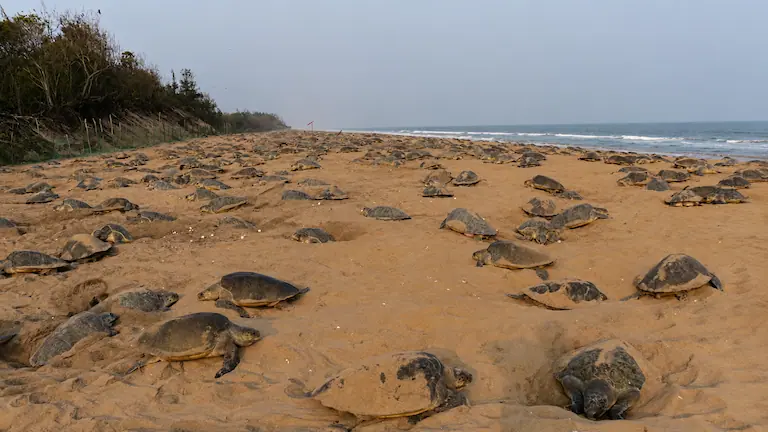
Gahirmatha is not a normal tourist beach. There are no fancy hotels, umbrellas, or shops playing loud music. Instead, you get a wild and natural part of the Odisha coast. This place is famous for one big reason: it is the largest nesting ground in the world for Olive Ridley sea turtles. Here, rivers meet the sea, and nature is fully in charge.
If you plan a trip, think of it as a real adventure. You cannot just book a room and go. You must learn about strict fishing bans, get the right forest passes, and choose the best time to see the turtles. This guide explains the real routes and turtle secrets. It will help you avoid stress and enjoy the beautiful wildness.
Finding it on Google Maps is easy. But actually traveling there is a different story. The sanctuary is hidden in the Kendrapara district of Odisha, right where the land stops and the sea begins. Forming the eastern edge of Bhitarkanika National Park, this marine sanctuary is huge. It covers 1,435 square kilometers and stretches all the way from the Dhamra River down to the Mahanadi River.
But here is the catch: there are no roads to the beach. You cannot drive your car onto the sand like you do at Puri. Thick mangrove forests and twisting river creeks cover the whole area. It feels more like a secret island than a normal beach.
The actual mass nesting of turtles happens on two specific sandy islands named Nasi-I and Nasi-II. These islands were actually formed after a severe cyclone in 1989 completely changed the geography of the mainland. Much like the lonely Subarna Island, the water is your only road here. If you really want to see it, you must leave your car behind and take a boat. The water is the only way to reach this quiet spot where the turtles rule.
Gahirmatha officially became a protected marine sanctuary in 1997. When you see it, you will understand why. It is a very delicate and unique place. Because it sits exactly where rivers crash into the ocean, the Bay of Bengal constantly changes the shape of the shore. You might visit one year and find a beautiful long beach. If you come back the next year, that sand might be completely swallowed by the ocean tides. It is amazing how fast the land shifts.
But the real magic happens between November and May. That is when the Olive Ridley turtles arrive. These amazing animals swim thousands of miles across the ocean to get here. The female turtles have a special “homing” skill. They return to the exact same beach where they were born to lay their own eggs. Seeing a turtle crawl out of the waves, dig a hole, and lay her eggs is something you will never forget. Because this environment is so fragile, large parts of the beach are strictly closed to humans during nesting season. This gives the turtles the peace and quiet they need.
If you go to famous spots like Puri or Gopalpur, you expect big crowds and street food. Gahirmatha Beach is the exact opposite. Here is why it feels so different:
Traveling to Gahirmatha Beach is a real mission because there are no direct roads. You must carefully piece your trip together using planes, trains, buses, and finally, a boat.
To make planning easy, here are the exact travel distances you need to know before you start your journey:
| Transport Mode | Nearest Travel Hub | Distance to Entry Points (Rajnagar/Chandbali) |
| Air | Biju Patnaik International Airport, Bhubaneswar | ~130–150 km (via Cuttack and Kendrapara) |
| Train | Cuttack Railway Station | ~141 km |
| Train | Bhadrak Railway Station | ~77 km |
Depending on where you start your trip, you will likely take one of these three boat routes:
If you want the most beautiful views, choose this route. First, drive or take a bus from Bhubaneswar or Cuttack to Rajnagar. From Rajnagar, it is a short trip to the Gupti boat landing. When you reach the Gupti entry point, you can instantly breathe in the sharp, fresh smell of the salty mangrove water. The best part is the boat ride itself. The boat cuts through thick, green mangrove forests. It is a very raw and wild experience. You might even see crocodiles resting near the water.
Chandbali is an old river town. It is the best choice if you arrive by train. The closest big railway station is Bhadrak. After getting off the train at Bhadrak, take a bus or taxi to Chandbali. From Chandbali, you can rent a local motorboat. Locals call these boats “bhut-bhutis.” They will take you straight down the river into the sanctuary.
If you are traveling from the north (like Kolkata), Dhamra is the fastest way. You can take a boat from the river mouth here to reach the northern part of the sanctuary. The Dhamra port feels a bit industrial at first, but do not let that stop you. Once the boat enters the wild areas, the ride is beautiful. It is the ultimate destination in a coastal run that starts with the red crabs of Talsari Beach and the unique landscape of Lal Kakra.
Because Gahirmatha Beach is highly protected, you cannot just show up and walk in. You must get a forest permit first. You can only get this permit from the Mangrove Forest Division (Wildlife), Rajnagar or at official boat entry points like Gupti. Be prepared: the forest guards here are very strict and will check every detail of your ID before letting you on a boat.
The sanctuary is officially open for day visitors from 7:00 AM to 5:00 PM.
What does it cost? The entry fee depends on who you are (prices are approximate):
Don’t just rely on your phone!
You must bring a physical, original government photo ID card with you. Do not just keep a photo of it on your phone! Mobile networks vanish completely once you enter the mangrove forests. Because your digital copy will not load, the forest guards at remote check-posts need to see your real card.
Most travel guides just tell you to “take a boat.” But actually hiring one can be tricky if you do not know the rules. Here is exactly how to do it:
If you want to ride jet skis or attend loud beach parties, this is the wrong place. Gahirmatha Beach is completely about nature. But there are still many great things to do.
The most famous event here is the mass nesting, also called the Arribada. If you visit at the right time, you will see thousands of turtles crawling out of the ocean all at once. It is one of the most amazing things you can ever witness. The science behind it is incredible. Female turtles use their flippers to dig deep holes in the sand. They drop 100 to 180 eggs inside, cover the hole, and go back to the water.
The journey to the beach is also an adventure. You will ride a boat through narrow, wild water paths. The thick mangrove trees almost touch the water. It feels like you are exploring a hidden jungle.
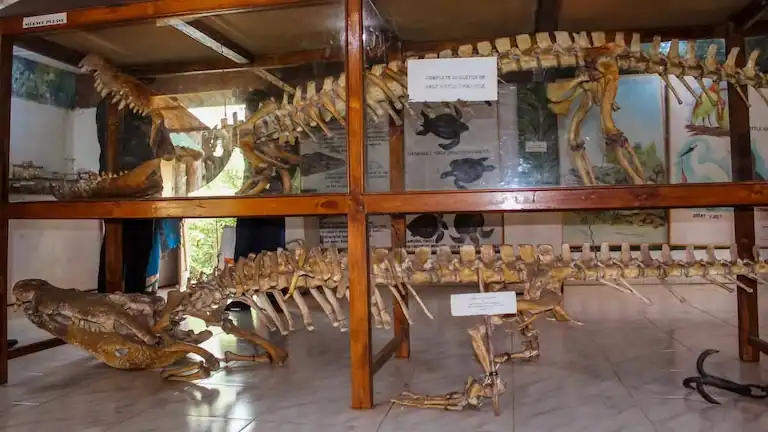
If you bring a camera, the sunlight in the late afternoon is beautiful. But remember: you must never use a flash near the turtles. The bright light confuses their brains. Also, make sure to visit the Turtle Interpretation Center near the entrance. It shows exactly how the turtles grow and live. It is very fun and much better than a boring science class.
If you are planning your trip, you must decide exactly what you want to see. Most people want to see the Arribada, which means ‘arrival’ in Spanish. This is the rare time when thousands of turtles cover the sand to lay eggs.
Here is a simple breakdown of the best times to visit:
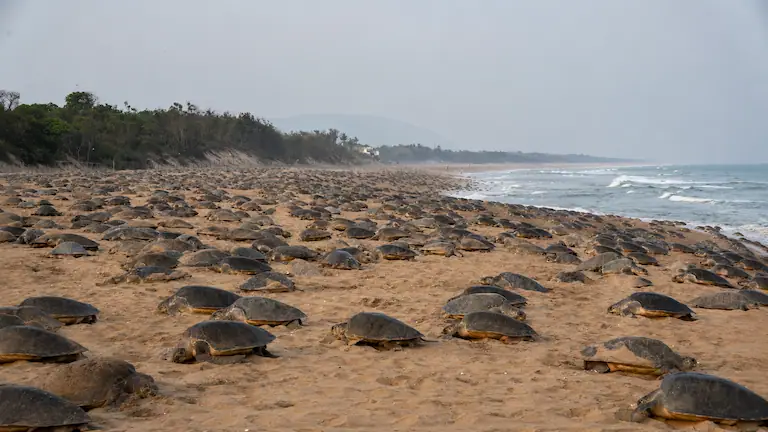
A quick warning about night visits: You cannot just show up at night to watch the turtles under the stars. The beach is strictly guarded, and it must stay pitch black. To visit at night, you need special permission from the forest department in advance, which is very hard to get.
The mass nesting of turtles is a wild natural event, which means it is completely unpredictable. You might spend thousands of rupees, arrive in early March, and see zero turtles on the beach. Do not panic! If the turtles have not arrived, here is your backup plan to save the trip:
If you do not plan carefully, a trip to Gahirmatha Beach can become a big headache. First, carry much more cash than you think you need. Once you leave the main towns, you cannot use bank cards or digital payment apps. The mobile signal completely disappears in the mangroves. You will need physical cash to pay the boatmen, auto drivers, and forest fees.
Second, leave your expensive shoes at home. Your feet will definitely get wet when you step off the boat. Wear flip-flops or cheap rubber sandals. Also, buy the strongest mosquito spray you can find. The bugs in the mangroves bite hard, so wearing long sleeves is the smartest choice.
One more tip: take screenshots of your maps and booking details before you leave Rajnagar or Chandbali. You will lose phone service very fast. Finally, stay away from random fishing boats. There is a strict government fishing ban from November 1st to May 31st. To protect the turtles, the government bans all fishing boats up to 20 kilometers into the sea. Only ride on official tourist boats so you do not get into trouble with the police.
Generic travel blogs will tell you to pack sunscreen and a towel. But exploring a wild mangrove forest requires special gear. Here is exactly what you need to survive and enjoy the trip:
The forest guards in Odisha are very strict about protecting the turtles at Gahirmatha Beach. To stay safe and help the animals, follow these simple rules:
Searchers always want to know how much a trip like this will cost. If you are starting from Bhubaneswar, here is a realistic budget for a single person traveling in a small group:
| Expense Item | Estimated Cost (Per Person) |
| Taxi/Bus to Rajnagar/Gupti Checkpost | ₹1,000 to ₹1,500 |
| Forest Entry Permit (Indian Citizen) | ₹20 to ₹40 |
| Shared Boat Ride (1 Seat) | ₹200 to ₹400 |
| 1 Night at Govt Nature Camp (Habalikhati/Dangamal) | ₹3,500 to ₹4,500 |
| Meals & Extra Snacks | ₹800 |
| Total Estimated Cost per Person | ₹5,520 to ₹7,240 |
Note: Prices will be higher if you hire a private boat for yourself or if you are a foreign visitor.
Gahirmatha Beach is not for lazy tourists. If you just want a quick selfie for social media, you should go somewhere else. It is too wild and rugged for that. This is a place that makes you sit quietly and watch a beautiful, ancient natural event happen right in front of you.
The trip takes a lot of effort, but that is exactly why the beach is still so clean and pure. When you finally stand there, caught between the mangrove river and the Bay of Bengal, you will realize the hardest places to reach are always the best. Grab your binoculars, pack your permits, and get ready for a trip to the wild edge of the world.
Ready for another adventure? If you enjoyed learning about sustainable eco-tourism here, just like we see with nature camps at Mousuni Island or the tidal nature of Junput Beach, your next stop should be exploring the golden sands of Chandpur Beach.
Gahirmatha is in the Kendrapara district. It is the far eastern edge of Bhitarkanika National Park, right where the land meets the sea. The whole park is over 1,400 square kilometers. But Gahirmatha is specifically the rugged coastline tucked between the Dhamra and Mahanadi rivers.
It is the world’s largest nesting spot for Olive Ridley sea turtles. It is famous for a massive event called the Arribada, where hundreds of thousands of turtles come to the sand at the same time to lay eggs. Aside from turtles, it is one of the rare places where you can find horseshoe crabs and thick mangrove forests.
Getting here takes effort, but that is what keeps the beach peaceful. You cannot drive a car to the sand. The area is completely covered in thick forests and rivers, so boats are the only way to travel. Most visitors take a boat from Gupti or Chandbali. You must also carry a forest permit from the Mangrove Forest Division in Rajnagar before you go to keep the nesting sites safe.
Written by Bijoy Pal, an expert in regional commerce and sustainable eco-tourism in Eastern India. Bijoy tracks how government regulations, local travel economies, and wildlife conservation impact coastal tourism to provide the most accurate, on-the-ground travel guides.