Physical Address
Bankura, West Bengal 722142
Physical Address
Bankura, West Bengal 722142


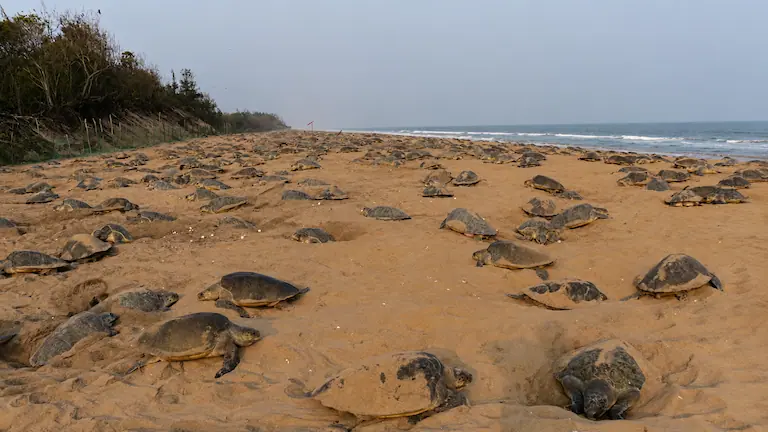
Bichitrapur Mangrove Sanctuary is a quiet “Mini-Sunderbans” just 15 km away from New Digha. It sits in Odisha, right where the Subarnarekha River meets the sea. The forest is famous for its thick trees, rare sea animals, and a hidden sand island that completely disappears underwater when the tide comes in.
The only way to see this beautiful forest is by taking a boat through narrow jungle paths. But timing is everything—boats can only run when the water is high.
I recently visited this spot to check it out for a corporate trip. After seeing it myself, I put together this simple, updated guide. It covers the real boat prices, the daily tide schedule, and everything else you need to plan a perfect trip.
This quick guide covers the most important details for your visit.
I visited this sanctuary in early 2026 and stood at the ticket counter to check the boat prices myself. The rates perfectly match the official Odisha Forest Department list.
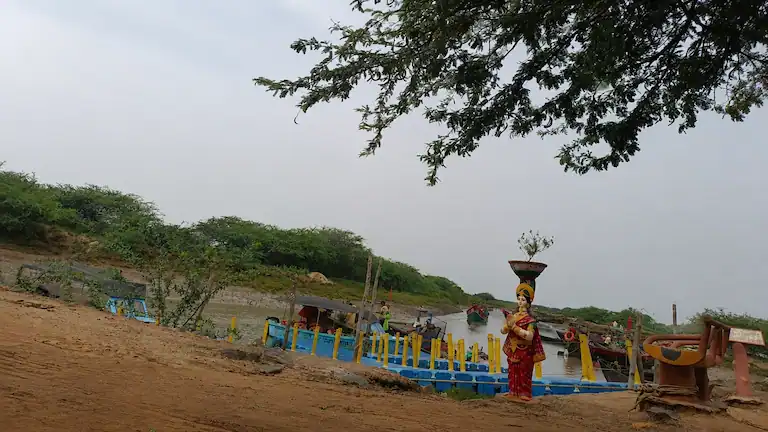
If you want to stay overnight, you can book a room on the EcoTour Odisha website. But remember: while the Nature Camp stays open 24 hours a day, boat tickets must be bought in person at the gate and boats only run during daylight.
The boat ride here feels like a true Sundarbans adventure. You will travel through narrow, curved river paths where the tree roots almost touch your boat.
This 170-hectare sanctuary protects unique plants, including the rare White Mangrove, Tiger Fern, and Hogla grass. The boat ride is deeply peaceful. You only hear the sound of water moving against the boat and the calls of local birds like Pond Herons, Egrets, Terns, and Kingfishers.
The Odisha Forest Department manages the boats under strict rules. Prices are fixed, so you cannot bargain.
Bichitrapur Boat Ride Price:
While some old blogs claim large boats are ₹1,800, my visit in early 2026 confirmed the official forest department rate is ₹1,500 for an 8-seat boat.
Quick Tip for Solo Travelers: You cannot buy a ticket for just one person. You must pay for the whole boat. If you are alone, wait near the gate and find other tourists to share the cost.
Most blogs just tell you to “enjoy the ride,” but you need to know the physical reality of these boats before you get on one:
After a 20-minute boat ride through the forest, you will reach Subarna Island. This is a large sandy area where the river meets the sea.
Timing is everything. If you pick the wrong time, you will only see mud. You need to check two things before you go: the Season and the Daily Tide.
Instead of a generic “visit in winter” tip, here is exactly what wildlife you will see depending on when you book your trip:
Most tourists forget this part. Your boat ride depends entirely on the water level.
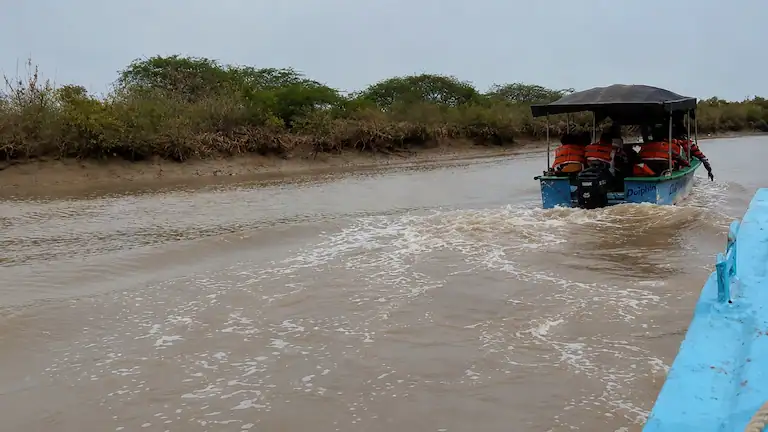
You must visit during High Tide. When the water is high, the boat can go deep into the narrow forest paths. If you go during low tide, the boats get stuck in the mud and cannot enter the forest. You will just sit in the main river, which is boring.
To guarantee a perfect boat ride, follow these 3 simple steps before you leave your hotel:
Did you arrive at 1:00 PM only to find the water is too low and the boats are stuck? Do not panic. Your day is not ruined. Here is exactly what you should do instead:
If you are staying in New Digha, this is a great half-day trip. But many people take the wrong road. Do not take the main highway because it is full of dusty construction trucks.
Bichitrapur is about 13 km from New Digha. A Toto (e-rickshaw) or auto ride takes about 40 minutes.
Tell your driver to take the Udaypur Beach border route. The border crossing is easy, but the village roads get very narrow as you get closer to the sanctuary gate.
A big warning if you are driving yourself: Rural borders confuse GPS systems. Do not just type “Bichitrapur” into Google Maps, or it might lead you to a muddy dead-end. Search exactly for “Khadibil Boating Jetty”. When you reach the Talsari village crossroad, Google Maps often tells drivers to turn left down a dirt path—ignore it. Stay straight on the paved road and ask a local to point you toward the Khadibil gate.
Here is the exact cost breakdown for a couple traveling from Digha in 2026:
If you are already in Talsari Beach or Chandaneswar, do not go back to Digha! You are only 8 km away. Visit the beach in the morning, then take a quick 15-minute auto ride straight to the Bichitrapur ticket counter.
If you want to escape city noise, you should book a night at the Bichitrapur Nature Camp. It is run by the government, and you get to sleep right inside the forest.
Most tourists visit for one hour and leave. Staying overnight is a much better experience. The best part is taking the 6:00 AM sunrise boat ride. It is incredibly peaceful before the loud crowds from New Digha arrive.
The rooms are clean and simple. Do not expect luxury. The prices below are the official rates. The price includes your room, all three meals, and one free boat ride.
| Accommodation Type (EcoTour Odisha) | Price Per Night | What is Included |
| AC Cottage (4 Units) | ₹3,500 (for 2 adults) | Room, All 3 Meals, 1 Free Boat Ride |
| Swiss Tent | ₹3,500 (for 2 adults) | Tent, All 3 Meals, 1 Free Boat Ride |
| Extra Person (4-18 yrs) | ₹1,000 | Food & Boating (No extra bed) |
Note: The AC in the cottages only works when local electricity is available.
You cannot book a room at the gate. You must book online before you go.
ecotourodisha.com.Whether you are staying in Digha for the weekend or booking a cottage in the forest, here is exactly how to structure your time to get the most out of Bichitrapur.
Best for: Travelers staying in New or Old Digha looking for a morning adventure.
Best for: Nature lovers, photographers, and couples wanting to escape the Digha crowds.
| Feature | Bichitrapur | Talsari |
| Vibe | Adventure & Wildlife | Peace & Long Walks |
| Boating | Deep Mangroves (Creeks) | Crossing a Riverbed |
| Crowd | Moderate (Ticketed) | Very Low (Open Beach) |
| Best For | Photographers & Explorers | Families & Couples |
If you are tired of the crowded concrete streets in Digha, Bichitrapur is 100% worth it. It is an amazing experience to float through narrow water paths and watch red crabs crawl along the Tiger Ferns and tree roots.
But remember the golden rule: check the tide before you go. If you arrive during low tide, you will waste your money and sit in a muddy river. Plan for high tide, use the expense calculator above, and this will be the best adventure of your trip.
Not really. You can walk around a small Pine Forest near the gate for free, but it is boring. The deep forest and the island are the main attractions, and you need a boat to reach them.
It is safe, but it can be hard. The boats rock a lot when you climb inside. There is no wheelchair access. Walking onto the soft sand at Subarna Island is difficult for people with bad knees.
There are no big restaurants here. Right at the Khadibil gate, you will find 2 or 3 small tin-roof tea stalls selling basic biscuits and hot chai, but nothing heavy. The absolute closest place to buy bottled water, cold drinks, or packaged chips is the main Chandaneswar Temple Road market, about 15 minutes before you reach the forest. Stock up there before you enter! If you want to eat a full meal at the Nature Camp canteen, you must pre-book it. Most people just wait to eat until they return to New Digha.
Let’s be brutally honest: the infrastructure is very basic. There are public toilets near the Khadibil ticket counter, but they are not always perfectly clean and usually do not have toilet paper. Bring your own tissues and hand sanitizer. When you return from the island, there is a basic water tap near the gate where you can wash the thick mud off your feet before getting back into your car.
Do not go on Sundays—it is far too crowded. Visit on a Tuesday or Wednesday and arrive right at 6:00 AM or 9:00 AM. Most tourist groups do not arrive until 11:00 AM.
Yes. The forest guards will search your bags. If you drop a water bottle, they will make you pay a heavy fine. Plastic is also very dangerous for the rare turtles and crabs that live there.
About the Author: I am a digital publisher and travel writer who frequently reviews corporate retreat locations, team-building offsites, and quiet weekend escapes from Kolkata and Bhubaneswar. I personally visit and verify the facts for regional destinations to ensure travelers get the most accurate logistical data. You can explore more of my regional guides and itineraries in our Travel section.