Physical Address
Bankura, West Bengal 722142
Physical Address
Bankura, West Bengal 722142


Most people going to the beach follow the same old plan. They go to the bright lights of New Digha or the costly hotels in Mandarmani. But if you look at the map between Tajpur and Shankarpur, there is a quiet beach that most people miss. This is Chandpur Beach. Here, the sea is a raw force of nature that is slowly changing the coast.
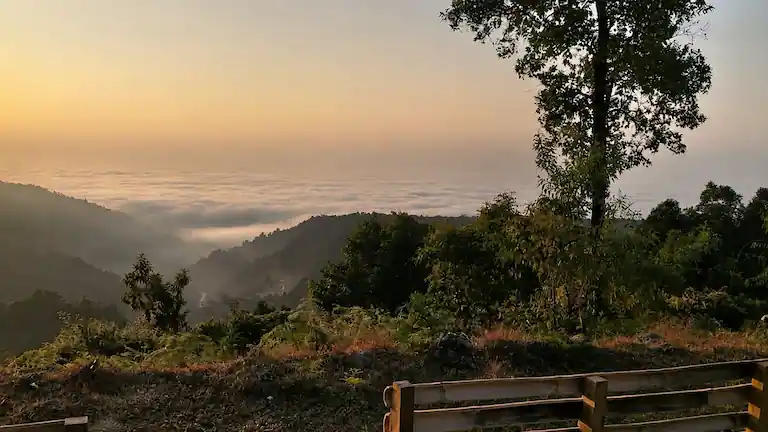
I spent time here last month. While there is not much to do besides watch the tide, that is exactly why I love it. There is something very special about the morning mist over the trees and the waves hitting the large rocks at high tide. It feels real and untouched. Honestly, if you want to see the sea in peace, this is the best spot before it gets too popular.
Note: Chandpur vs. Chandipur (Do not get confused!) This article is about Chandpur Beach in West Bengal (near Digha). Many people confuse it with Chandipur Beach in Odisha, which is famous for its disappearing water at low tide. They are two completely different places!
If you are tired of the noise in New Digha, Chandpur Beach is your best choice. It is exactly 18 kilometers away. It takes about 45 minutes if you take a Toto along the coast. Most people stay on the Digha beach and never leave. But if you grab a Toto and head east past Sankarpur, it finally gets quiet. It is close enough for a quick morning trip where you can actually hear the waves.
If you want to know how it compares to the beaches right next to it, here is a quick guide:
| Beach Area | What to Expect There |
| Chandpur | Rocky shores, heavy high tide splashing, and total silence. |
| Tajpur | Flat sand, lots of red crabs, and slightly more commercialized with food stalls. |
| Shankarpur | A busy local fishing harbor and a quickly retreating coastline. |
The drive to Chandpur is beautiful. As the hotels fade from view, groves of large casuarina trees begin to line the route. Most of the journey takes you down the Digha-Contai Road. Because it is so close, you can spend the entire afternoon on the sand and still make it back to Digha for dinner. If you want another empty beach, Bankiput Sea Beach is a great day trip from here. It is home to the famous Dariapur Lighthouse.
The first thing you notice at Chandpur is the silence. It is very peaceful. If you are used to the loud crowds and toy sellers in Digha, this is completely different. It is just you and the sound of the water.
The landscape is also very different because the sea is slowly eating the coast. The government put massive rocks (boulders) here to save the land. This means you do not just stand on flat sand. You stand high up, watching the water crash against the rocks right under your feet. When the tide goes out, you get a small strip of golden sand. But high tide is the real show. The way the water hits those rocks is very powerful.
The best time to visit is late October or February. The weather in Bengal is very hot and sticky most of the year, but during these months, you get a cool breeze. The temperature stays around 15°C to 25°C. This is perfect for sitting on the rocks for a few hours without sweating. The sky is much clearer, too. The orange sunsets look amazing in photos, unlike the hazy summer skies.
If you go during the rainy season (June to August), please be careful. The waves look great, but the tide is dangerous. Sometimes the water hits the rocks so hard that the beach disappears completely. You will have to stand on the paved road. For a secret trip, try late September. The heavy rain is over, everything is very green, and the winter crowds have not arrived yet.
If you follow standard road signs, you will get stuck in a massive traffic jam near the Digha gate. To reach Chandpur Beach easily like a local, you need a smart plan.
If you are coming from Kolkata, you have two easy choices:
If you are coming by train to Digha Station, tell your Toto driver you want the “Marine Drive” road. A warning: many drivers will try to drop you at Tajpur because it is easier for them. Be firm and tell them you are going all the way to Chandpur. For those who want to explore more, the quiet trails of Subarna Island are just a short trip away.
You need to know how fast the tide moves here. At Chandpur, the water moves in fast and hits the rocks with heavy force.
Chandpur Beach is great, but always respect the power of the water.
If you want a fancy resort with glass elevators or room service, you will not like it here. People come to Chandpur because it is simple. The hotels are basic, quiet lodges hidden in the trees. Rooms cost between ₹1,200 and ₹3,500 a night.
Good places to check are Hotel Samudra Sathi, Hotel Alpana, Hotel Moon, and Golden View Resort. Because these are small places, you will not find them easily on big booking apps like MakeMyTrip. To make your planning easy, here are the direct contact numbers for the two most popular sea-facing lodges:
If you are planning to work from here, keep this in mind. Jio gives a decent 4G/5G signal on the beach and on hotel balconies. Airtel drops a lot, and Vi is almost zero. Inside the hotel rooms, the signal gets very weak because of the thick walls. Do not expect to join video calls easily from your bed.
My best advice? Ask for a top-floor room with a balcony. Waking up to a sunrise and the sound of real waves is amazing. Since there are no shops near the beach, you must eat at your hotel. Luckily, they make amazing local food.
Do not just order chicken. Here is what the local fishermen are pulling out of the Bay of Bengal depending on when you visit:
Digha has the crowds, but Chandpur has the best sunsets. Because of the way the beach curves, you can watch the sun drop straight into the water. The sky turns dark orange and purple.
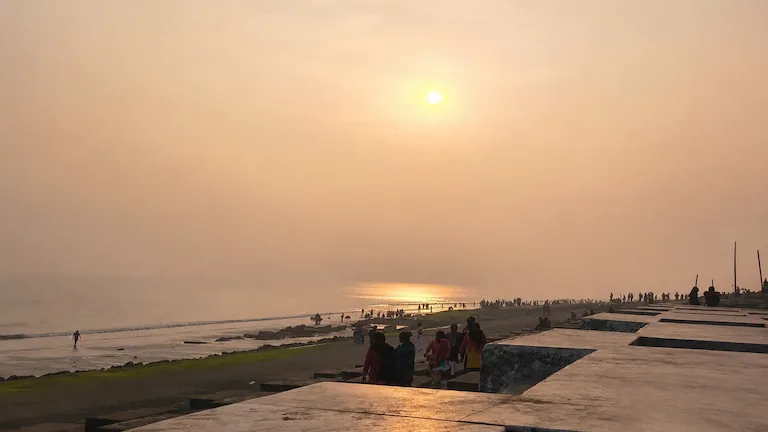
For the best photos, look for the old tree stumps in the water at the north end. Locals call them “ghost trees.” They look very dramatic when the sunlight hits them.
Precise Photography Timings: During the winter months, the perfect “Golden Hour” hits right between 4:30 PM and 5:00 PM. This is when the light makes the ghost trees look magical. If you want action shots of the high tide, do not stand on the wet rocks. Stand back on the raised, paved embankment near the trees for the safest and best angle.
If you wake up early, you will see thousands of tiny red crabs running across the sand. Locals call them “Red Ghost Crabs.” They dig holes in the sand all day, which actually keeps the soil healthy for the trees.

During winter, the marshes near the beach are full of birds. Migratory birds fly here all the way from Siberia. Having salt water on one side and fresh village ponds on the other creates a great home for wildlife. You will not find this in the busy parts of Mandarmani. If you want more nature, take a boat safari at the Bichitrapur Mangrove Sanctuary to see turtles and forests.
Some people call this place “Ghost Beach,” but there is nothing scary here. The name just comes from how fast the land is shrinking.
The Science of the Erosion:
Why is the sea eating the coast here? It is a mix of geographical science and nature. The Bay of Bengal has very strong ocean currents. Over the years, the water currents of the Subarnarekha river delta have shifted. Combined with slowly rising global sea levels, the ocean simply pushes harder against this specific part of the shore, washing the loose sand away.
At low tide, you will see old broken brick walls and fences in the water. These are not haunted ruins—they are just old village houses that the ocean washed away over the years. It shows how fast the coast is changing. When you visit, please be responsible. Do not leave plastic in the sand, and respect the local environment.
The secret about Chandpur Sea Beach is out. The new Marine Drive road makes it easy to reach, so big crowds will come soon. Right now, it is in a perfect state. It has what you need, but it is not loud yet.
If you like taking photos or just want peace, this is the best place left in West Bengal. You should go now. In a few years, it will probably look just like every other busy beach.
If you are coming from Kolkata for the weekend, here is how to plan your time. This guide helps you avoid the Digha crowds and enjoy the quiet coast.
Here is exactly what a 2-day, 1-night trip for two people from Kolkata will cost you.
| Expense Type | Estimated Cost for 2 People |
| Train/Fuel (Kolkata to Digha) | ₹500 to ₹1,500 |
| Local Totos | ₹600 (Round trip) |
| Hotel (1 Night) | ₹1,500 to ₹2,500 |
| Food (Meals & Fresh Seafood) | ₹1,200 to ₹2,000 |
| Total Weekend Budget | ₹3,800 to ₹6,600 |
Traveling the Bengal coast is about enjoying nature. Chandpur Beach is a place where you can truly feel the ocean. Wear good walking shoes for the rocks and pack your camera. For more official guidelines on safe travel in this region, you can check the West Bengal Tourism official website.
Chandpur Beach is a quiet beach in West Bengal’s Purba Medinipur district, between Shankarpur and Tajpur. It is about 175 km from Kolkata. To find it, leave highway NH116B at the Balisai Bazar crossing. This village road helps you avoid Digha traffic and takes you straight to the beach.
No, you cannot drive on the sand. The beach is blocked by big boulders to stop the sea from washing away the land. You will need to park at your hotel or near the trees and walk two minutes to the water. This keeps the beach clean, quiet, and safe for everyone.
There are no big restaurants or cafes here. Most people eat at their hotels. You can get an amazing Bengali fish thali for around ₹150. Pro tip: Ask your hotel cook to buy fresh Bhetki or Pomfret directly from the local fishermen in the morning (usually ₹300-₹400). It is fresh and delicious.
It depends on what you want. Pick Digha if you are looking for family fun, street food, and shopping. Digha has a flat sandy beach, but it is very crowded, loud, and full of market energy.
Choose Chandpur if you want peace, photography, and relaxing nature. Chandpur is almost empty with big rocky boulders instead of flat sand. There are no shops or nightlife here—it goes dead silent once the sun sets.
I am a travel writer and the founder of buzbusiness.com. I personally visit, photograph, and field-verify hidden destinations across Bengal to bring you 100% accurate, first-hand travel guides. Read more of my verified tips on West Bengal tourism!